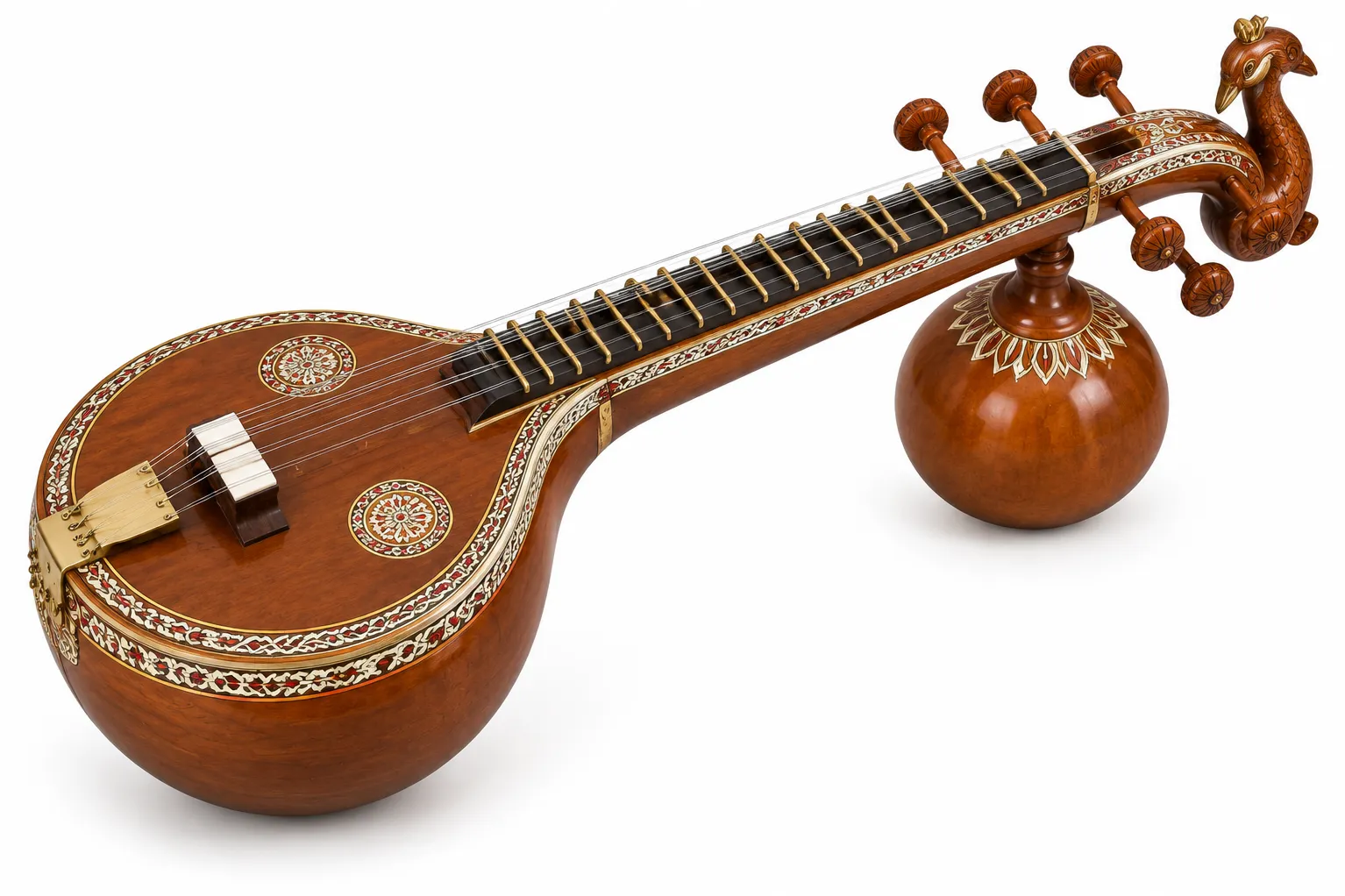
Students interested in learning the Veena today have more choices than earlier generations. Traditional face-to-face lessons remain valuable, while flexible teaching methods can make classical music education more accessible to students balancing academics, careers and family responsibilities. For learners in Uttarahalli, understanding the differences can help them select a format suited to their routine.
The right choice is not simply about whether one format is better. It depends on the learner's age, experience, schedule and need for direct supervision.
Traditional In-Person Veena Training
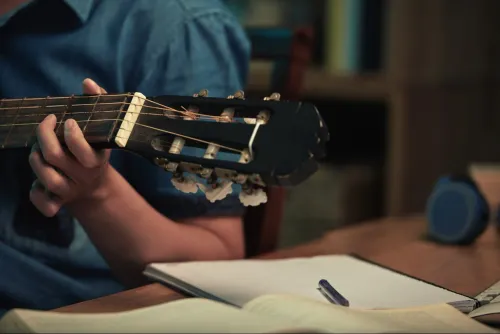
In-person lessons allow the teacher to observe posture, finger placement and instrument positioning closely. This can be particularly useful during the beginner stage.
Physical technique matters greatly when playing the veena. Students need to coordinate plucking, fretting and rhythmic movement while maintaining a comfortable position.
Direct supervision can therefore help with:
- Hand positioning
- Plucking clarity
- Finger movement
- Tala coordination
- Instrument handling
- Immediate technical correction
Children and complete beginners may find this learning environment particularly supportive.
Flexible Learning Formats
Students with demanding schedules may need greater flexibility. Depending on the programme, lessons supported by digital resources or remote guidance can help learners maintain continuity when regular travel becomes difficult.
The advantage is convenience. The challenge is that students need greater discipline when practising independently.
For learners in Uttarahalli and surrounding areas of South Bengaluru, travel time can influence whether a music routine remains sustainable over several months. A realistic schedule is often more useful than an ambitious plan that becomes difficult to maintain.
What Matters Regardless of Format?
Good veena training should develop musical understanding rather than only teach students to reproduce compositions.
Learners should gradually build familiarity with swaras, tala, fingering, gamakas and Carnatic compositions. Teachers should also provide clear practice instructions so students know what to work on between lessons.
Before selecting classes, students or parents can ask:
- How are beginners introduced to the instrument?
- How frequently should students practise?
- How is progress evaluated?
- Are lessons adjusted for different age groups?
- When are compositions introduced?
Sri Veena Vani Music School is among the music-learning options available to students in Bengaluru seeking structured training across traditional disciplines.
For a learner in Uttarahalli, Karnataka, the most suitable veena programme is one that combines sound teaching fundamentals with a schedule that can be followed consistently. Format matters, but regular practice, attentive instruction and gradual progression ultimately shape musical development.
Keywords